Security of sensitive information is a top priority in today’s digital world. This applies to businesses of all kinds. Health Insurance Portability and Accountability Act provides strict guidelines in healthcare for the management, storage, handling and security of protected medical data (PHI). HIPAA compliance for healthcare institutions is essential to preserve their credibility, ensure patient privacy, and avoid penalization.
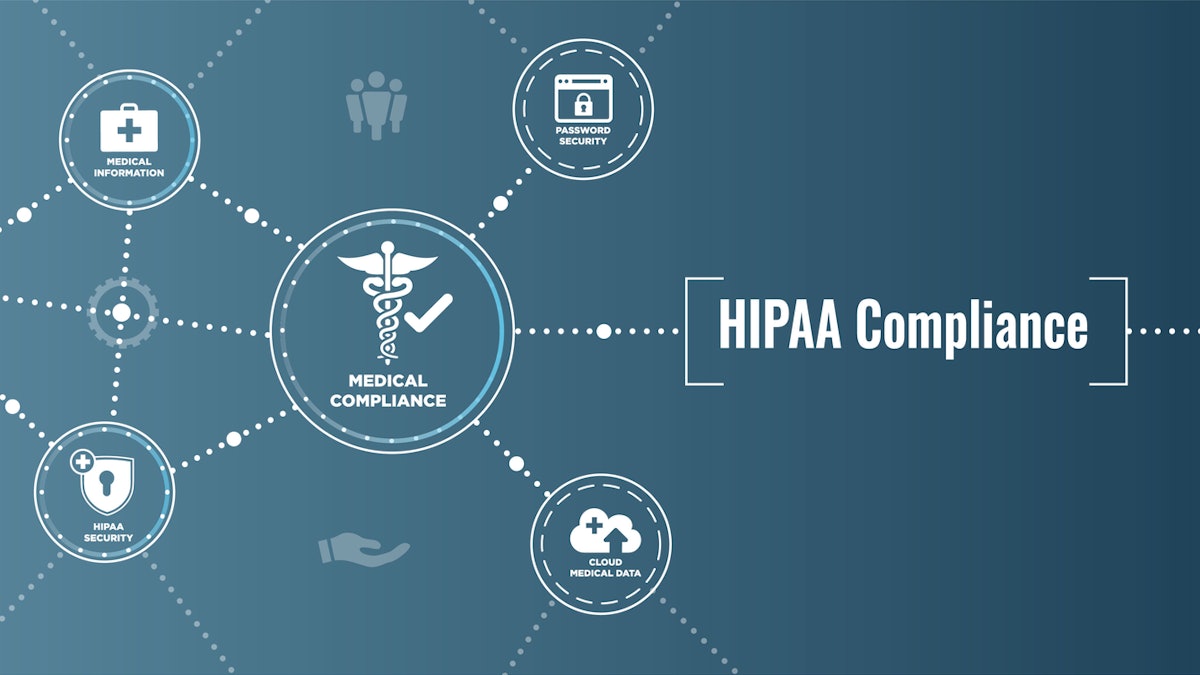
HIPAA encompasses all healthcare providers, health plans, health clearinghouses, and business associates. PHI is defined as information that can be used to identify a person such as names and addresses, credit cards details as well as social security numbers and information about medical procedures and conditions. PHI is of significant black market value due to the possibility of its use in identity theft.
The HIPAA Privacy Rule outlines guidelines regarding the use and disclosure of PHI. The covered entities must implement policies and procedures that safeguard the integrity, confidentiality, and accessibility of electronic personal health information (ePHI). These policies and procedures should cover access controls as well as security incident protocols, security awareness training, and other security measures. Additionally, covered entities must limit the use and disclosure of PHI to the minimum necessary to meet the goal of the use or disclosure.
HIPAA Security Rules require that covered organizations implement technical, physical, and administrative safeguards to protect the access, confidentiality, and integrity of ePHI. These safeguards include audit controls integrity checks, encryption security plans and contingency plans. These entities must also perform periodic assessments of risk to detect potential vulnerabilities and then implement measures to minimize the risks.
HIPAA’s Breach Notification Rule requires covered entities to notify affected individuals and the Secretary of Health and Human Services, and, in some cases, the media, in the incident of a breach of PHI that is not secure. The term “breach” refers to an acquisition of, access to, disclosure, or use of PHI that is in violation of the Privacy Rule and threatens the security of or privacy. To determine if PHI might have been compromised and to determine the possible damage that may result from a breach, covered entities must conduct an evaluation of risk.
HIPAA compliance requires ongoing training and education for employees to ensure they know their responsibilities in relation to privacy and security. They must also carry out regular risk assessments to identify possible vulnerabilities and take steps to limit the risk. These measures may include implementing security measures, encryption of ePHI as well as implementing contingency plans in the event of a security incident.
In this day and age, technology has made an enormous impact on virtually every aspect of our lives, not just healthcare. Electronic health records have proven revolutionary by enabling healthcare providers to store and manage the patient’s information in a seamless manner. This has led to serious cybersecurity risks and strict compliance with HIPAA is a must. Patient data is important and must be in a secure environment at all times. Cyberattacks are on the rise and the constant threat against healthcare providers is a sign that HIPAA is more crucial than ever before. HIPAA protects confidentiality and security of patient information. This creates trust between patients and healthcare professionals.
HIPAA compliance can help healthcare providers ensure privacy of patients while maintaining the trust of patients. Failure to comply with HIPAA regulations could result in massive fines, legal action, and reputational damage. Office for Civil Rights of the Department of Health and Human Services is responsible for enforcement of HIPAA regulations. They also investigate complaints and perform review of compliance.
HIPAA compliance is essential for healthcare institutions to ensure privacy of patients in a digital age. HIPAA’s regulations provide specific guidelines for how to handle, store and protect confidential health information. Healthcare organizations must ensure that they are following policies and procedures to ensure compliance with HIPAA regulations, conduct regular risk assessments, and provide regular training and education to their employees. When they do this healthcare facilities can preserve their patient’s trust and avoid penalties and legal action.
For more information, click how does hipaa protect patients