In the ever-changing market of e-commerce giants two names have emerged as contenders for the supremacy of affordability and popularity: Temu and Shein. They’ve gained attention because of their rapid growth in the industry as well as their budget-friendly products. It’s important to comprehend the distinctions between their models of business, and not just comparing them. For more information, click Temu vs Shein
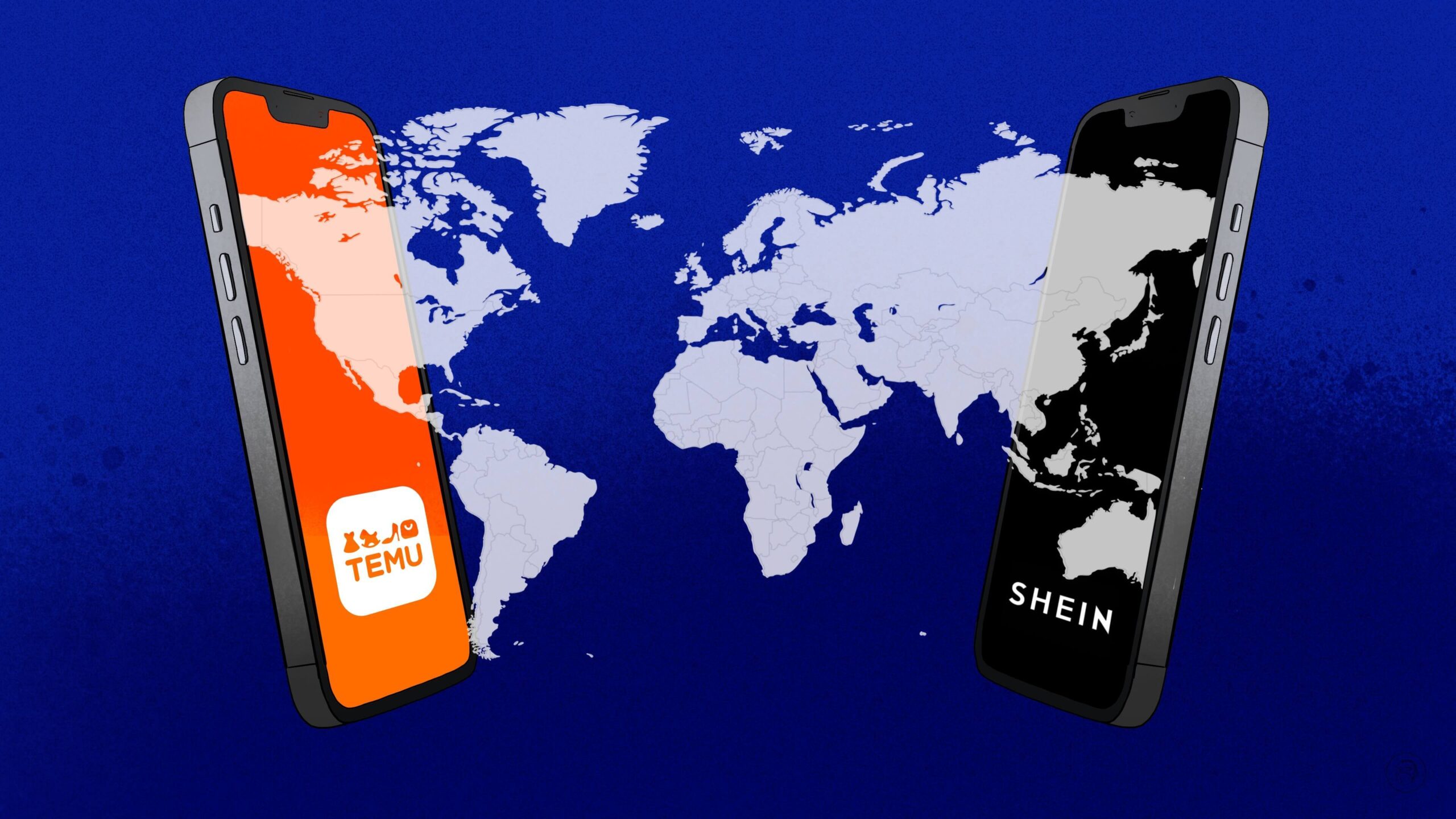
The rising of Shein as well as the rise of temu
Temu’s rise to prominence has definitely drawn parallels to the story of success for Shein. Both have experienced exponential growth and are now attracting budget-conscious customers. The affordability of the products are what makes them so attractive. They allow shoppers to have a fashionable look without spending the money. Many have asked what is the difference between Shein’s and Temu’s products made from the same material?
Similarities and differences
Temu shares the same trait as Shein when it comes to offering products that are cost-effective However, they’re far from being mirror images. Temu, with its innovative Next-Gen Manufacturing strategy, is notable for its substantial cost savings across all categories of merchandise. The model employs cutting-edge manufacturing techniques that simplify manufacturing processes, ultimately cutting expenses and passing the advantages to customers.
Shein is renowned for its fast-fashion approach and is primarily focused on clothes accessories, as well as other related products. Its appeal lies in staying up to date with the latest fashions and offering a wide array of options for a wide range of fashion preferences. Shein is able to make a niche for herself by focusing on fashion, accessories and beauty.
Business models are on the front page.
Temu’s Next-Gen Manufacturing model deserves a closer look. Temu optimizes manufacturing and supply chain processes through the use of modern technologies like AI, data analytics and automation. It helps them reduce manufacturing costs while maintaining high-quality. Temu is able to offer a wide range of products in a range of categories ranging such as household items to electronic with competitive price. This sets them apart from Shein which focuses its efforts primarily around fashion and its derived products.
Although Shein does indeed cover a broad spectrum of fashion trends, its business model is built on constantly updating its inventory to reflect changing fashion trends. This implies that the creation, production, as well as distribution processes need to be fast. This method has definitely led to its increasing popularity especially among the younger crowd who are looking for fashionable pieces at affordable cost.
Ownership is essential
The question of whether Shein owns Temu has generated a lot of curiosity. However, this assumption is not the truth. Temu is an independent entity that has a distinct ownership structure. Temu is an independent company on the ecommerce scene, is focused on its distinctive manufacturing process, whereas Shein is a name that is well-known for its fashionable products is distinct.
The Takeaway
In the tumultuous ocean of online shopping, it’s quite easy to draw parallels between firms that exhibit similar growth trajectories. Temu’s and Shein’s tale shows that, despite the similarities however, their differences are significant. Their different approaches to manufacturing marketing, business, and manufacturing highlight their individuality.
Temu’s Next Gen Manufacturing model is an example of ingenuity within the ecommerce sector. By harnessing technology to optimize the efficiency of its operations, Temu not only reduces costs but also sets the standard for affordability across a broad range of categories. In addition, Shein’s dedication to fashion trends and rapid product turnover cements its position as a pioneer in the realm of fashion e-commerce.
Temu and Shein are two companies catering to price-conscious shoppers. However, the terrain of ecommerce is completely different. Both cater to customers who are price conscious, but their business models, strategies and expertise areas differ in significant ways. Temu’s manufacturing prowess and Shein’s nimble fashion savvy reveal the diverse nature of the online marketplace. As consumers and avid shoppers, let’s take note of the distinctiveness that each of these platforms brings to the table, and continue to explore the expanding market of online shopping.