In an always-connected environment, businesses depend more than ever before on a a fast high-speed, secure and flexible network. Most people focus on cloud-based applications or Wi-Fi however what they don’t realize is that behind every smooth connection lies a cabling system. This is the invisible layer that is what holds the network together.
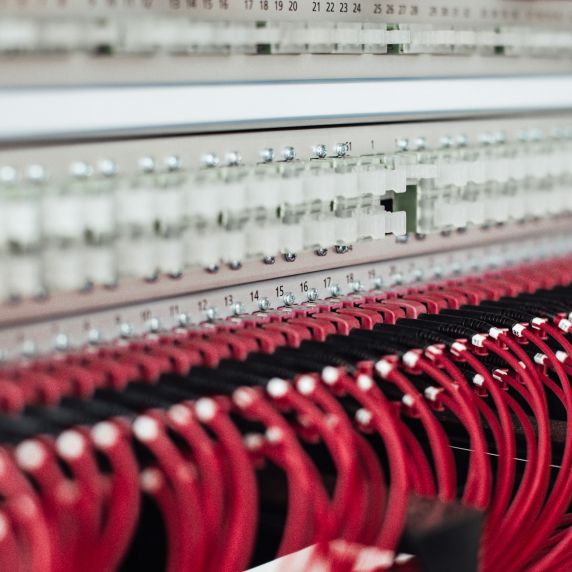
Image credit: gokaravan.com
Whether you’re operating a growing business or overseeing a huge enterprise, having structured cabling isn’t an option but necessary.
What is Structured Cabling?
Structured cabling is the physical structure of your IT infrastructure. It’s the standard method of arranging cables and hardware so that phones, computers as well as servers and security systems are able to connect and communicate. Structured cabling is sensible and clean. It can adapt to changing technologies.
A well-planned cabling infrastructure supports data, voice, and multimedia across the entire enterprise. Modularity allows you to expand, relocate or alter systems without major disruption. It’s also scalable, designed to grow as your business expands.
The reason Structured Cabling Services are Important
The structured cabling system isn’t a universal solution. Every building and industry, each kind of business has a specific set of performance needs. That’s why partnering with a provider that specializes in structured cabling services is key.
Professionals analyze your infrastructure, future requirements and layout of your physical space, to create an individual design. The services typically involve installing horizontal and backbone cabling patch panels, distribution frames and testing each cable to ensure quality.
Karavan Technology offers structured cabling solutions for the US and Canada that are tailored to both basic and more complex situations. Their solutions cover everything from Cat5E basics to Category 7 high-frequency cabling that can handle up to 1200MHz. They give the speed and reliability you require at every stage.
The Structured Cabling Installation Procedure
Installation of structured cable can be disruptive. A team of skilled technicians can finish installations quickly, efficiently and without affecting the daily routine.
Here is what an installation typically entails:
1. Engineers will examine the space and then determine the route of cables. They will also draw the endpoints.
2. Installation: Cables and racks are clearly labeled and properly installed.
3. Testing and Certification Tests and Certification: All connections are inspected for signal quality.
4. Documentation: A complete diagram of the cable system you have is available to help you with future upgrades and troubleshooting.
After the process, your property is equipped with a plug-and play system that will serve your needs in the digital age for years to be.
Future-Proofing Structured Cabling Systems
Technology moves fast and so should your infrastructure. A well-implemented structured cabling system gives you future-proofing benefits and makes it easier to upgrade or expand without having to start from scratch. Integration of new devices, servers or workstations is seamless without needing an extensive overhaul.
Furthermore that, as the demands for data increase especially in cloud computing and videoconferencing, a strong base will help prevent bottlenecks and ensure reliable performance. It isn’t necessary to be concerned about signal loss, or costly downtime due to outdated wiring.
Final Thoughts
Although structured cabling is away from sight and out of mind, it shouldn’t be ignored. Structured cabling is the backbone for a reliable network that supports all aspects of your business. Structured cabling and structured services from professionals will not only help you improve your performance, but also set the stage for your success in the coming years.
Whether you’re opening a new office, updating your current system or planning a huge-scale installation and investing in a structured cabling configuration is a option you’ll be glad to have.