Robotic arms, at the heart of modern production and manufacturing have changed the rules in a manner previously thought to be unimaginable. They are able to combine precision, safety and efficiency. These marvels of the mechanical realm – sometimes known as robot arms been a necessity for industries around the world, motivated by the necessity to reduce operating costs without sacrificing quality. In integrating robotic arms into production lines, manufacturers are not just cutting costs but also transforming workplace safety and productivity. Explore how these innovative robotics have changed the industrial landscape.
Cost efficiency is the most important reason for the widespread adoption of robotic arms. The increasing pressure on factories to reduce production errors, material waste and workplace accidents are constant. Robotic arms are designed to solve these issues. Robot arms are more accurate than human laborers when it comes to completing repetitive tasks, cutting down on cost and eliminating costly mistakes. In industries with high volumes, such as automotive manufacturing, robot arms guarantee an exact assembly process by using precise welding and part placement. This precision can translate into substantial savings since less defective parts means less rework and waste.
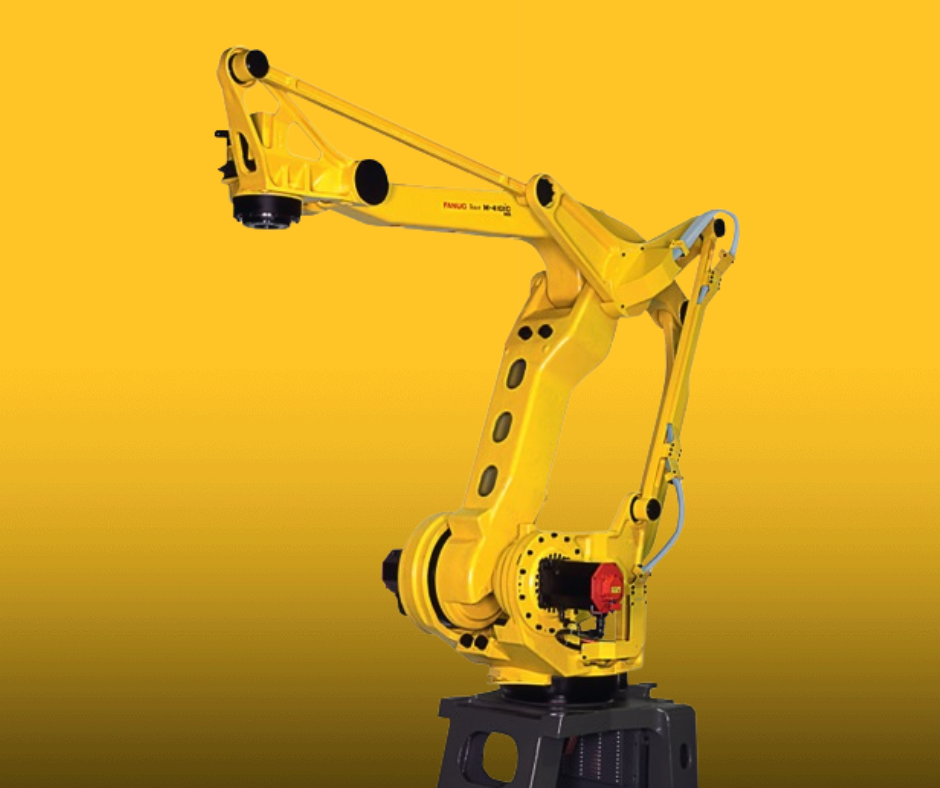
Image credit: automatedsolutions.com.au
Safety is another important aspect of the robot arm revolution. Human workers are at risk when performing many jobs in manufacturing, such as handling dangerous materials or operating heavy machinery. Utilizing robot arms, enterprises can take workers away from hazardous environments. This reduces the risk of workplace injuries. Robotic arms, which are built as a series of joints which move, can mimic the functionality of human arms but without causing physical damage. Equipped with end effectors that can be programmed to work essentially robotic hands they can perform tasks like grasping, spinning or welding in environments that are unsafe for humans.
The flexibility of robot arms is an exciting development in a variety of industries. From automotive assembly to electronics production, robots can adapt to a range of tasks. Because they are programmeable, they can to perform intricate operations like tending machines paint, or fiberglass application, with unmatched consistency. Robotic arms for warehousing have revolutionized palletizing by automating load of goods onto pallets. Automation increases productivity and efficiency because robot arms operate all the time, never tiring.
Cobots are the latest breed of robots that operate alongside humans. Cobots that are fitted with robotic arm, can communicate with humans seamlessly in contrast to industrial robots which are generally restricted to cells. Cobots with robotic arms are able of performing repetitive or heavy lifting tasks in factories, which allows human workers to concentrate on more complex responsibilities. This collaboration increases productivity as well as ensures a safe working environment since cobots are able to be programmed to change or stop their movements when someone is nearby.
The impact of robotic arms goes beyond safety and efficiency, to the very foundation of manufacturing today. The capability of robot arms to complete tasks with great accuracy including welding, material handling or assembly is what makes them essential in areas which place safety at the forefront. For automotive production for instance robot arms are able to turn and move parts in the assembly process to ensure perfect alignment, without the need for human intervention. Similarly, in electronics, robot arms handle delicate components with care, reducing damage and improving output quality.
Robotic arms are expected to gain importance as industries grow. They’re a crucial element for manufacturing’s future due to their ability to reduce costs, improve security, and adjust to various tasks. By combining cutting-edge technology with human creativity, robot arms are more than tools. They’re partners driving innovation, transforming how we construct our world.