It is important to embrace neurodiversity in the dynamic landscape of development in childhood. Children suffering from conditions such as ADHD or autism require environments that support their particular abilities and allows them to thrive. This is where the synergy of ADHD support, autism sensory play, sensory integration toys, and mindful toys for kids comes into play. Caretakers and educators can enrich their children’s lives by incorporating these elements into daily activities.
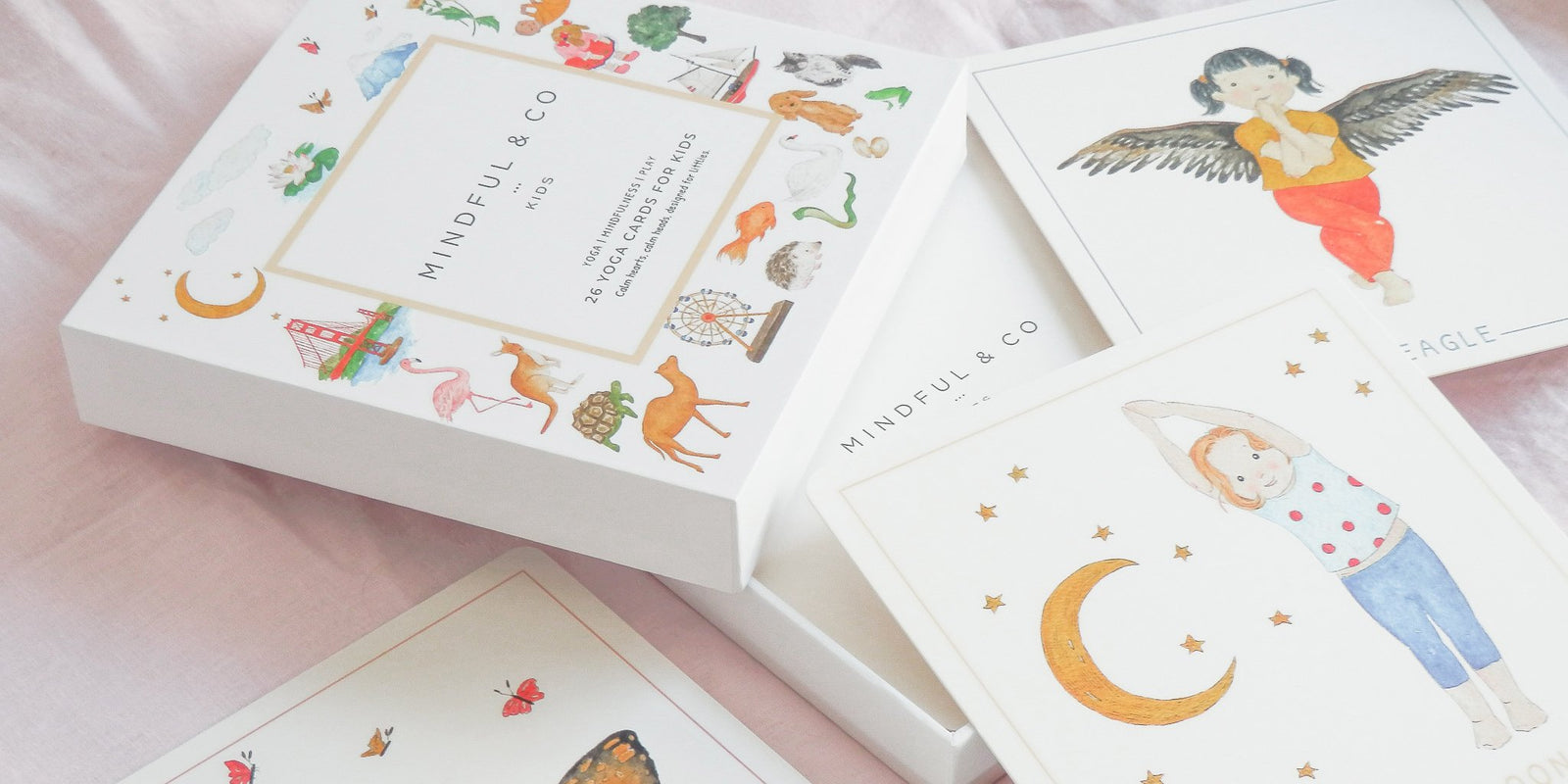
ADHD Children’s Support Concentrating on Confidence
Children suffering from ADHD are often unable to concentrate and controlling their urges. In order to offer efficient support, it is essential to use strategies that engage the child’s brain while respecting their uniqueness. Playthings that foster the development of mindfulness and calmness in children are beneficial. These toys provide the sensation of a tactile plaything that can reduce stress and anxiety, while helping children learn to direct their attention in a controlled manner. Implementing mindfulness-based practices into their playtime not only aids in reducing ADHD symptoms, but also helps equip children with valuable life skills for emotional regulation and stress management.
Autism Sensory Play – Nurturing Expression and Exploration
For children on the autism spectrum sensory experiences can be rewarding and challenging. Autism sensory play is the process of the creation of an environment that engages the senses and aids in the development of essential skills. Sensory integration tools play an important function in this technique. These toys engage all senses simultaneously, encouraging sensory exploration, coordination and cognitive development. Children are able to communicate and comprehend their surroundings through tactile, auditory and visual interaction. Sensory play with autism helps children to express themselves and build confidence in themselves.
Sensory Integration Toys: Building Bridges to Child Development
Sensory integration toys provide a bridge that allow children to interact to the world. These toys come in a variety of textures, sizes and shapes that target different sensory and motor abilities. They allow children to explore and adapt to sensory inputs, ultimately helping in the development of the skills for sensory processing. Sensory integration toys provide three main advantages:
1. Enhanced Perception: Sensory Integration Toys expose children to various audio, tactile, and visual cues. This exposure allows their brains better process sensory data that improve their response to stimulation.
2. Better Motor Skills: Many sensory toys require complex hand movements as well as fine motor skills and hand-eye coordination for manipulating. These toys aid children in improving their motor and dexterity, leading to improved physical control and confidence.
3. Cognitive Development: The multisensory aspect of these toys stimulates different areas of the brain at once. This can aid in the development of cognitive abilities by enhancing neural pathways and enhancing creativity and problem-solving skills.
Mindful Toys for Kids: Building Calmness And Concentration
The concept of mindfulness has gained prominence because of its impact on emotional well-being. Mindful toys that are suitable for children incorporate elements of mindfulness in play, encouraging children to be attentive and centered. These toys typically come with activities that demand attention to details, like puzzles, coloring books, or guided relaxation exercises. By engaging in these activities children are able to direct their energies and thoughts to the work at hand, and develop the ability to concentrate, which can help both academically and socially.
When we explore the world of ADHD support and autism-related sensory play, as well as sensory integration toys and mindful play, it is vital to consider the whole approach that emerges from the interplay. These elements don’t function independently; instead, they create a unified approach for addressing the various needs of children with neurodiverse disorders. Caretakers can create an environment where emotional, cognitive and sensory needs are met simultaneously by incorporating conscious activities and sensory games within their daily routines.
In conclusion, the process of helping children who have ADHD and autism involves embracing their strengths and weaknesses. Parents and educators can provide an environment that nurtures children by using sensory play, toys that provide sensory input, and mindfulness actions. It doesn’t matter if it’s improving self-expression, improving sensorimotor processing, or helping to increase awareness, each element is crucial to a holistic approach to child development. We can tap the potential in these strategies for an even more vibrant, diverse future for children of all neurodiversities.