Schools across the globe are progressively concerned about vaping that has forced administrators to search for solutions that can help curb the problem. Vape detectors made for schools can be an effective method of maintaining secure, healthy learning environment. These devices are not just utilized to detect smoke from a vape however, they also track other safety concerns such as crowding and loitering.
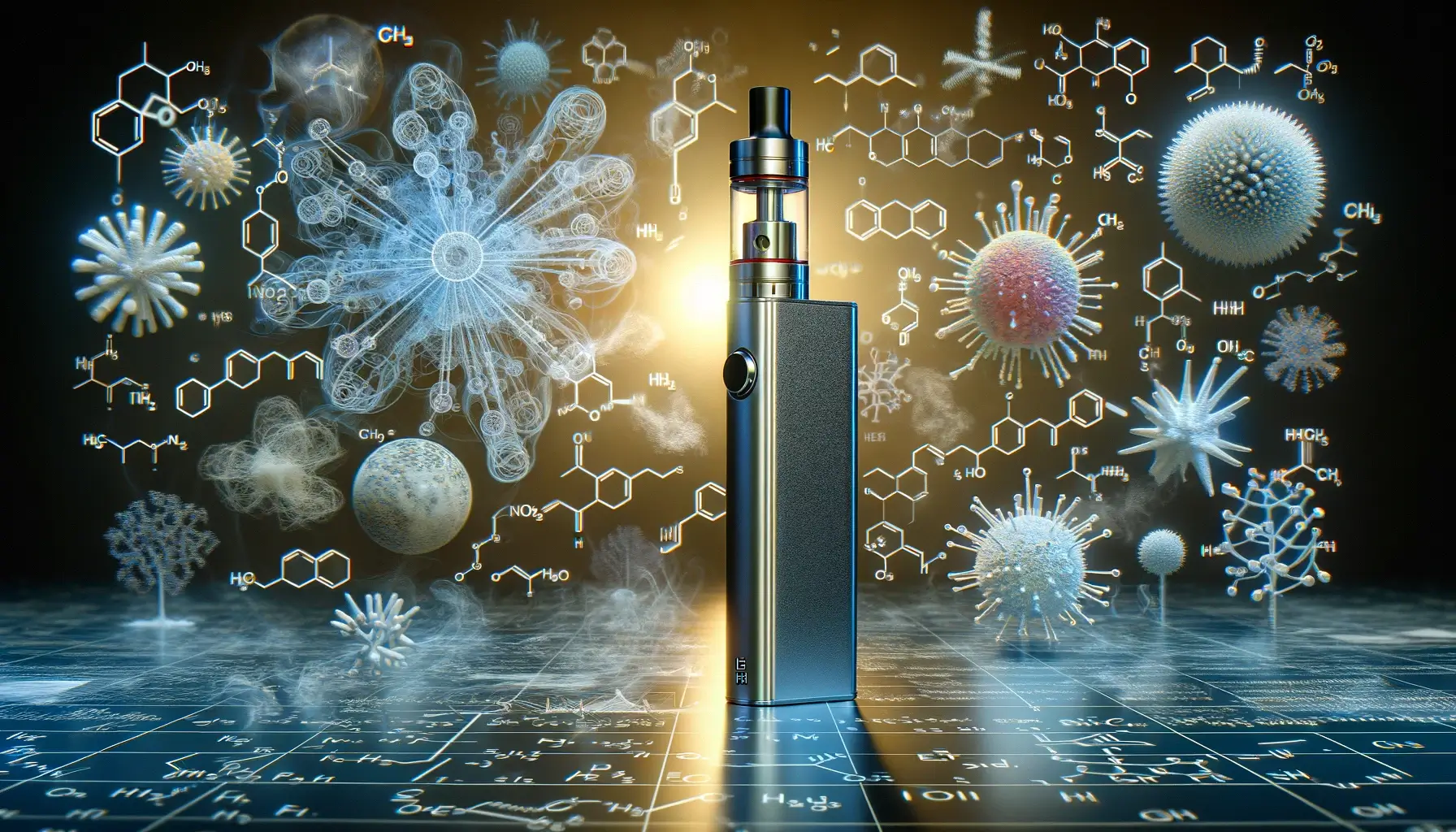
1. Vape Detectors for schools: The Need is Growing
Vaping is getting more and more popular as schools have difficulty in detecting its use by students. Vaping is harmful for health, and particularly young people, and is also disruptive to the school environment. Vape detectors are specifically designed to address these issues and give real-time notifications to allow staff to take action immediately. These alerts help administrators detect smoking in locker rooms, bathrooms or other areas that are enclosed, in which traditional monitoring methods are not practical.
The need for vape detectors is driven by the need to discourage vaping behavior among students, identify offenders, and create a safer atmosphere for all. Schools can cut down on vaping through the installation of vape sensors in strategic locations. This can create a healthy environment for all students.
2. How Do Vape Detectors work?
Vape detectors utilize sophisticated sensors that detect the presence of airborne substances like THC and nicotine. Smoke alarms for vapes issue an alert through an app or dashboard to the school’s administrator when it finds vape aerosols. This surveillance is in real time and allows teachers at the school to react quickly to any incidents and prevent future violations.
The technology behind vape sensors is more than just detection. Equipment like the Triton ULTRA Vape Detectors for schools feature patent-pending visualization of occupations that monitors loitering or crowding in closed spaces. This is particularly useful in areas like bathrooms where students gather to vape or engage in other disruptive behavior. Schools can increase security by identifying areas that have the highest traffic or suspicion.
3. Real-time alerts and monitoring: benefits
One of the key advantages of vape detectors is their ability to be alerted immediately when vaping activity is discovered. Schools that must respond quickly to incidents and stop the spread of nicotine and reduce potential health risks, require continuous monitoring. The alerts don’t only inform employees of the presence vape smoke but can also be an indication of prolonged usage in certain areas, signaling possible idleness.
The ability to detect different substances, which includes both nicotine and THC can make vape smoke detectors a more effective tool for schools. Administrators can take the appropriate step by identifying the type of vaping is occurring by informing parents of the issue or conducting further research. This proactive approach will aid in preventing students from using vape and highlight the severity of the issue.
4. Privacy Monitoring: How to Safeguard Your Information
One of the major concerns when implementing any kind of surveillance system in schools is the security of students. Vape detectors can tackle this issue using sensors which monitor air quality and occupancy without recording any audio or images. This method of privacy protection ensures the rights of students are respected and still provides a reliable security measure.
Triton Sensors offers, for instance, vape detectors that are privacy-compliant. Their patent-pending occupancy visualization technology is a valuable source of information about crowds and loitering without infringing on individual privacy. Vape detectors have become suitable for areas that are sensitive, such as bathrooms and locker rooms in which traditional surveillance isn’t appropriate.
5. The Broader Impact of Vape Detectors on school safety
While vape sensors primarily aim to detect vaping, their capabilities extend beyond that. Modern vape smoke alarms can detect other threats, like guns and violence, which makes them an all-encompassing safety solution. This multi-functional technology could be used by schools to address a wide range of safety issues and create an environment that is safer for staff and students.
By using vape detectors to check the quality of air and any potential security threats, schools will also learn about patterns and behaviours. This data-driven method allows for the evaluation and improvement of specific policy areas.
We also have a conclusion.
Vape detectors for schools have become a crucial tool to combat vaping as well as other safety issues. The advanced technology behind vape sensors permits real-time monitoring of the situation and immediate alerts for incidents, and privacy-compliant occupancy monitoring. Implementing smoke alarms for vapes into schools can enhance safety procedures and reduce unhealthy habits while promoting a healthier learning environment. The vape epidemic can be reduced by investing in vape detection technologies. This allows schools to play a more active role as guardians of students’ well-being.