Computer Numerical Control (CNC) which is a method of cutting and machining, has revolutionized engineering and manufacturing over the past few years. CNC machining, which combines digital technology with traditional manufacturing processes, is now the predominant method for manufacturing parts and products that are high-precision to suit a broad range of industries. This article focuses on the benefits and the applications of CNC-machining. It also focuses on the impact it has on technology.
The mechanics of CNC Machining
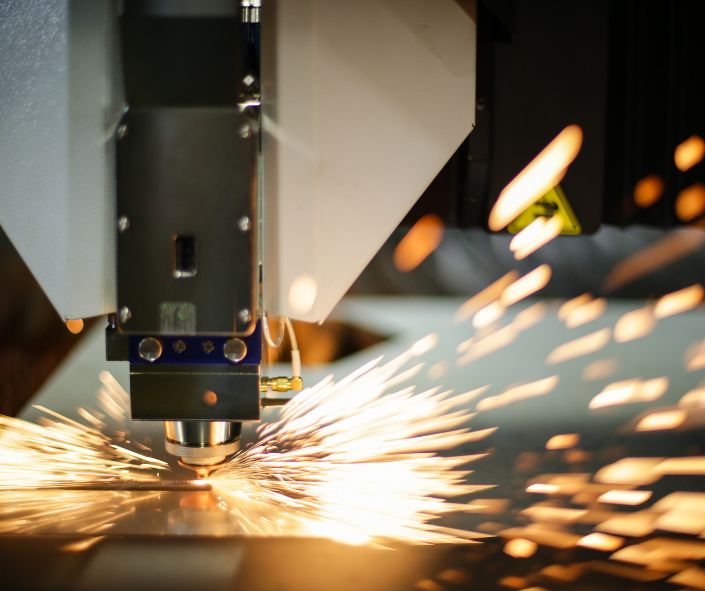
CNC machining is an subtractive method of manufacturing which means that it removes the material from a solid block or workpiece to create the shape you want. This process is guided through pre-programmed software which controls the movement of the machinery. The code created by CNC machines is based on the type of machine used as well as the complexity of the product. But, the principle remains the same: the high-speed cutter precisely cuts away materials to produce the final product.
Precision is the primary benefit of CNC cutting. The digitalized nature allows for the production of consistent and precise. This decreases the chance of human error while ensuring the same quality across batches. This level of precision is crucial in the fields where even slightest deviation can have major impacts, such as aerospace, medical devices manufacturing for automotive and medical devices.
The role of digitalised computer systems in CNC machine operation
CNC Machining is a very efficient and precise process which is dependent on digital technology. CNC machines are controlled by specialized software that automates the entire manufacturing process. It converts CAD models to precise instructions which the CNC machine follows in order to make the product. These instructions determine everything from direction and speed to the depth and angle of each cut.
In larger industrial facilities on a size, computers can be integrated directly with CNC machines. This makes it possible to communicate seamlessly and control. This integration permits constant adjustments in real time and monitors to ensure optimal performance, and reduce downtime. Automation of CNC machine tools also allow for continuous operation, dramatically increasing efficiency and reducing the time it takes to complete.
CNC Machining: Its Advantages
CNC machining comes with numerous benefits over traditional manufacturing methods. The ability to make intricate, complex parts with high precision is one of the greatest advantages. CNC machines’ accuracy can eliminate the need for manual adjustments, or to Rework. It reduces waste, and enhances efficiency. CNC machines also have the ability to work in a continuous manner. This makes them suitable for production runs of large scale.
CNC machining is also flexible. One machine can make different types of parts by simply changing the program. CNC can be adapted to any need, making it perfect for prototyping as for mass production. This allows manufacturers to respond quickly to changes in demand.
Automating CNC machineries improves safety at work. The risk of injury and accidents is reduced by reducing the manual intervention. The consistent quality of CNC manufactured parts enhances the performance and reliability of products, which contributes to a better customer experience.
Industries Benefiting from CNC Machining Services
In many industries CNC machining has proved to be extremely efficient as well as precise and flexible. CNC machines are used in the aerospace sector to make essential components that have to meet rigorous safety and performance requirements. CNC machineries are utilized by the medical device sector to manufacture sophisticated surgical instruments and implants. The accuracy of the machine is of prime importance.
The automotive industry employs CNC milling to make engine parts, transmission parts, and intricate exterior and interior features. The electronics industry also is benefited by CNC machine’s capability to create tiny, precise parts for consumer electronics and communications devices. The jewelry and art industries make use of CNC technology to create intricate designs and custom-made pieces.
The future of CNC Machining
CNC machineries are expected to continue to expand as technology continues to improve. New developments like multi-axis machine as well as additive manufacturing integration and the use of advanced material will push the limits of what can be achieved with CNC technology. Additionally, machine-learning and AI will improve CNC productivity in machining.
CNC machining that is unmatched in precision, efficiency and flexibility is having a huge impact on modern engineering and manufacturing. The capability to make extremely precise and complex components makes CNC machining an extremely useful instrument in a wide range of industries. CNC is machining, even as the technology advances is expected to remain a key component in manufacturing’s future.