The sound of an electric furnace during a cold night is a source of comfort for many homeowners. In many cases, the oil tank – the unnoticed the source of warmth – goes unnoticed until a potential issue occurs. However, proactive maintenance, such as oil tank replacement, is crucial for the safety of your home and its efficiency. We’ll take a look at the world of replacement costs for oil tanks, helping you navigate this vital investment in the health of your home.
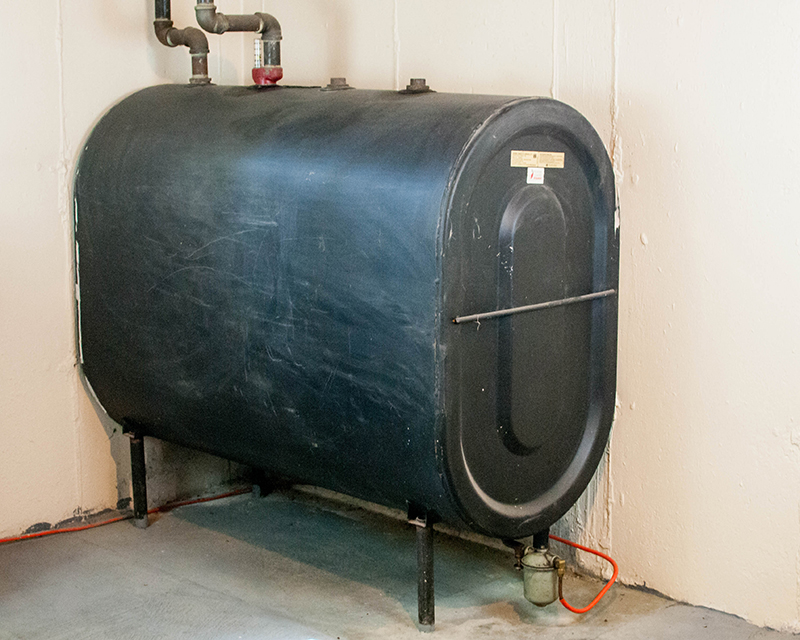
Oil Tank Maintenance is Important: Prevention is the key to success.
Many homeowners don’t realize the importance of the oil tank service. However, a properly functioning oil tank is crucial to your home’s infrastructure. It is vital that as the responsible owner of your home take care to ensure that your heating system and the storage tank for the oil are functioning effectively and safely. The leak of oil that seems insignificant now can become an enormous environmental and financial problem in the near future.
Understanding Average Costs: A 275 Gallon Case Study
It is important to have the correct data when budgeting for your home maintenance. Consider how much it costs to replace a residential oil tank that weighs the size of 275 gallons, the largest size. In Massachusetts, New Hampshire, Rhode Island and Connecticut the average cost of replacing the oil tank of 275 gallons is $3,600. This is based upon a simple replacement in an outdoor or basement location without major accessibility problems.
Beyond the Price Tag: The Reasons for Oil Tank Replacement is an Investment
While the expense of replacing your oil tank may appear high at first It’s worth considering it as an investment in your home’s safety and security over the long run. Here’s why:
Safety First: Over time, oil tanks are prone to leaks that can cause fire danger and potential environmental contamination. This risk can be eliminated by replacing the tank, giving you and your family peace of at.
Maximum Efficiency: Over time, older oil tanks may get less efficient, and may require frequent oil delivery to keep heat. The newer tanks run at the highest efficiency, which could reduce heating expenses in the long-term.
Peace of mind for years to Come: A brand-new oil tank offers many years of reliable service and eliminates the worry of unexpected breakdowns or leaks in the winter months.
Oil Tank Replacement Costs: Factors that impact the cost
As a base the price range of $3600 for the replacement fuel tank of 275 gallons is a good way to begin. Several factors can affect the final price:
Tank size: It is obvious that larger tanks are more expensive to replace.
Tank location: It is more expensive to take out and replace a tank that is buried in the ground than a tank that is situated within an easily accessible crawlspace or basement.
The cost of labor for the removal and installation of the tank are likely to increase in the event that it is difficult remove due to nearby structures or tiny spaces.
Proper disposal of tanks that are not properly cleaned can often result in additional charges.
Budgeting for Tanks to Replace Oil The Future of Your Home
Oil tanks have a life time of between 15 to 30 years based on various variables. Knowing the approximate age of your tank allows you to anticipate replacement prior to any issues develop. Schedule a professional to inspect your tank to obtain a more precise estimate for replacement. See more at Oil tank replacement cost
Make sure you invest in your home’s security and sustainability
It’s more than just keeping warm and cozy. Removing the oil tank can be an investment for the environment. Tanks with older designs could leak in the ground, which can lead to contamination of soil and groundwater. Modern oil tanks follow stricter environmental standards, which guarantees responsible storage of oil while minimising environmental destruction.
Know-how is power: How to manage your home’s wellbeing
Knowing the costs of replacing your oil tank will aid you in making informed maintenance decisions regarding your home. Prioritizing tank exchanges that are proactive will ensure that your heating system remains secure, efficient and eco green for years to come. Don’t be astonished by an oil tank problem in the middle of winter. If you plan and budget for this crucial home maintenance task You can have peace of mind while staying cozy and warm throughout the coldest winter months.