Septic tanks are an essential element of the wastewater management system for homes that do not have municipal sewer systems. Property owners have two choices for selecting the appropriate tanks for their septic systems that are concrete or precast. Both options have unique advantages and pitfalls. Understanding the differences will help property owner make informed decisions about the sustainable management of wastewater.
Septic tanks are underground structures that take in, treat and then disperse the waste from residential and commercial properties. These tanks are crucial in the process of treating wastewater. They ensure the security of the disposal process and protect wastewater, while also preserving the environment.
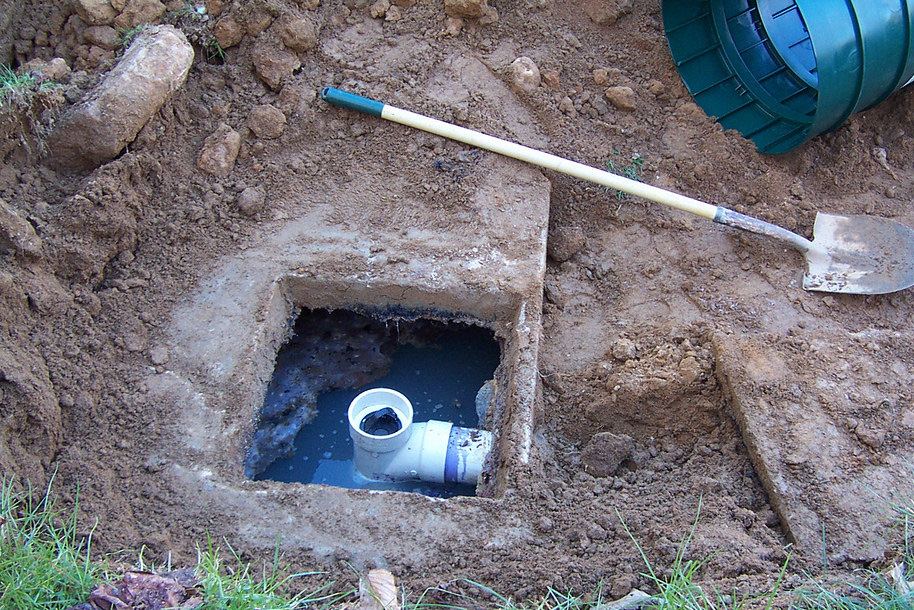
Which septic tank is the best for You? Precast or Concrete?
Concrete septic tanks have long been a preferred choice because of their strength and endurance. Constructed on-site using poured concrete These tanks are recognized for their strength and ability to stand the test time. The process of installing concrete tanks requires a lot of labor.
Precast septic systems are made offsite and delivered at the property ready to be installed. The tanks are produced within controlled environments, ensuring consistent quality and structural integrity. Precast provides the advantages of speedier installation and lower costs.
Property owners looking to upgrade or replace their septic tanks be pleased to know that precast tanks offer several benefits. Precast tanks are assured that they will meet strict quality standards because of the controlled manufacturing process. In addition, the efficient installation process is designed to minimize disruption on the property and speeds up the overall timeframe for projects.
Maintenance of your concrete tank for septic: Tips to ensure long-term durability
Although the durability of concrete tanks for septic use is well-known, maintaining it is essential to ensure the tank’s longevity of the tank. Regular inspections and maintenance are essential to avoid issues like clogging or structural damage. Property owners must also be aware of the materials and the chemicals that are introduced into the septic tank in order to prevent any harm to the tank.
Precast septic tanks are designed with considerations for the environment in the back of their minds. They are constructed using sustainable methods, which minimize waste and energy consumption. The endurance and longevity of precast tanks also aids in reducing the environmental impact over their entire life.
If they are considering installing a septic tank, property owners should assess their needs in particular and the property specifics. Things like soil type, property size, and local regulations may affect the choice between concrete and precast tanks. The assistance of experienced professionals will help property owners make an informed decision based on the specific needs of their property.
The role of septic Tanks in Sustainable Wastewater Management
Septic tanks play an important part in the sustainable management of wastewater and provide a reliable method for treating and disposing of household waste. Septic tanks that are correctly maintained will help protect surface and groundwaters and also help preserve local ecosystems.
It is essential to select the correct size septic system in order to prevent overflowing and ensure a successful wastewater treatment. Considerations like the size of your property, water usage, as well as the number of occupants are to be considered when choosing the appropriate tank size. An appropriate size is vital to the proper treatment and treatment of wastewater.
Modern manufacturing techniques employed to make precast septic tanks solutions result in efficient, high-quality solutions to effective wastewater treatment. The tanks are in line with industry standards, and offer homeowners a dependable and low-maintenance alternative for treatment of wastewater.
Regular maintenance is vital for the septic tank system to operate optimally and last for as long as they can. The recommended maintenance schedules must be adhered to by property owners, which include pumping, inspection and monitoring the system. By making maintenance a priority, homeowners can save money on repairs and ensure the ongoing functioning of their septic system.
In the design phase, a septic system designed for sustainable water management is essential. When choosing concrete or precast options the system must be designed to fit the unique requirements of the property, and provide efficient treatment and disposal of waste. Professional design and installation can help property owner create sturdy and effective septic tanks. See more at Precast septic tanks near me
The Environmental and Economic Benefits of upgrading to a precast Septic Tank System
Precast septic tanks that are upgraded could be beneficial to the environment and owners of properties. Precast tanks can reduce the cost of installation as well as time, which will save property owners money. Precast tanks are environmentally friendly. tank are also a benefit to sustainable management of wastewater.
A septic system that is suitable for your needs is vital to property owners who are seeking sustainable solutions to the management of wastewater. The property owners who opt for concrete or precast must consider factors such as durability as well as ease of installation environmental impact, as well as long-term maintenance requirements. Making informed choices will enable property owners to ensure the efficacy of their septic system, as well as its longevity for a long time.